
When should you speak to a doctor about your weight?
Medically reviewed by Dr Poh Zhongxian, Adrian
Medical Director and Family Physician, HMI OneCare Clinic
17 September 2026
Share
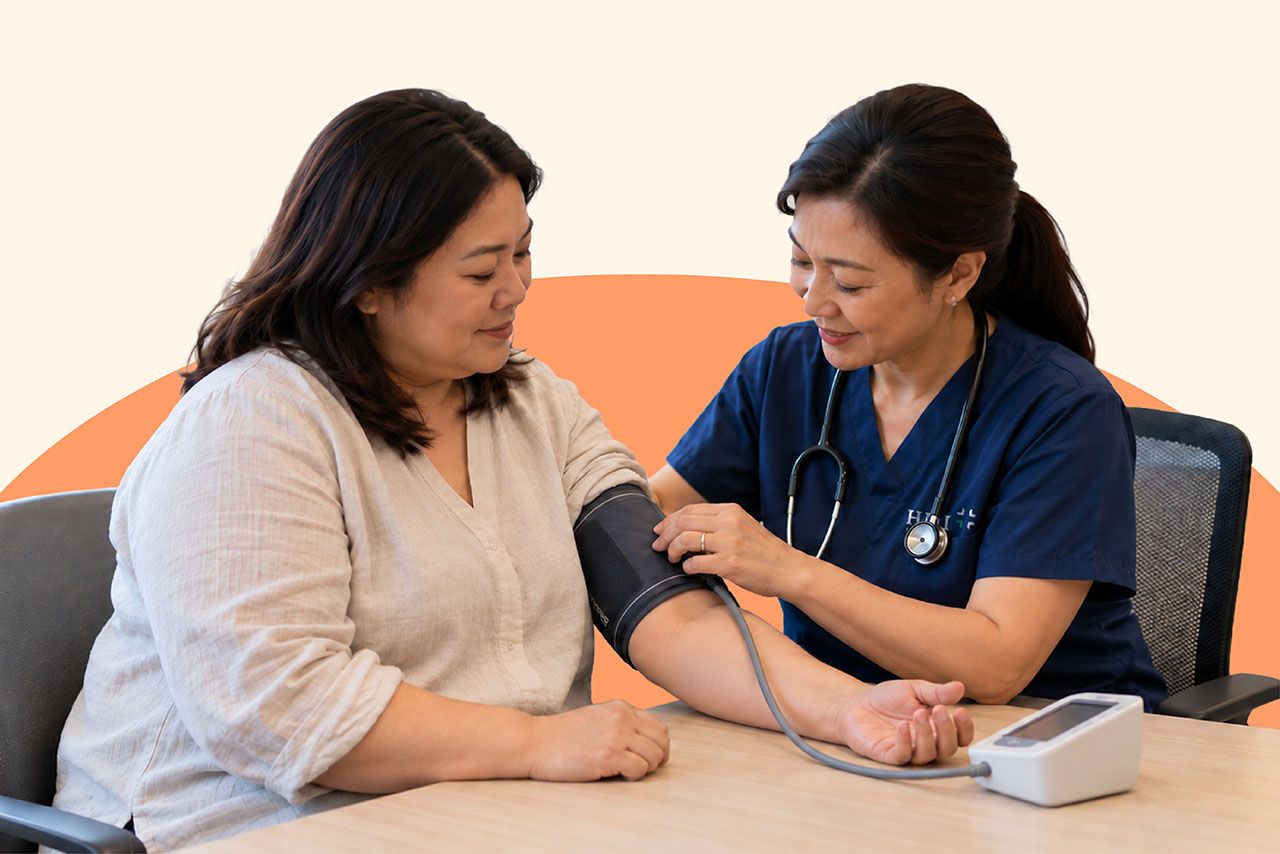
Weight isn't only about a number on the scale. If it is becoming harder to manage, affecting your health or you are concerned about changes in your weight or waistline, speaking to a doctor can help you understand what may be contributing and what support may be appropriate.
For many people, conversations about weight begin with wanting to look or feel different. But from a medical perspective, weight is also one part of a much bigger picture.
Genetics, appetite regulation, metabolism, age, sleep, medications, medical conditions, stress, eating patterns and physical activity can all influence weight. And sometimes, changes in weight or body composition may begin affecting health before the effects are obvious.
In Singapore, this is increasingly relevant. The Singapore Association for the Study of Obesity (SASO) highlights data from the National Population Health Survey 2024 showing that among Singapore residents aged 18 to 74, 1 in 8 lived with obesity, 22.8% were in the high-risk BMI category of 27.5 kg/m² or above, and 43.6% had abdominal obesity.
The Ministry of Health also reported that the proportion of residents with obesity increased from 10.5% in 2019–2020 to 12.7% in 2023–2024.
These figures don't mean everyone needs treatment. But they do reinforce an important point: you don't need to wait until weight becomes a serious health problem before talking to a doctor about it.
So, when should you speak to a doctor?
There isn't a single number on the scale that determines when medical advice is appropriate.
It may be worth having a conversation if:
- Your weight has been steadily increasing and you're not sure why. This may be particularly relevant if the change followed a new medication, health condition or significant change in your life.
- You've made sustained changes to your eating, physical activity or other health habits, but are finding it difficult to lose weight or keep it off.
- You have health conditions associated with excess weight, such as high blood pressure, high cholesterol, prediabetes or type 2 diabetes, obstructive sleep apnoea, cardiovascular disease or fatty liver disease.
- Your waistline is increasing. Abdominal fat can be relevant even when your overall weight does not seem particularly high.
- Your weight is affecting everyday life, including your sleep, joints, mobility, energy or ability to be active.
- You're considering prescription weight-management medication and want to understand whether it is medically appropriate for you.
Speaking to a doctor does not mean you will need medication. It means getting a clearer picture of your health and understanding the options available.
“You don't have to wait until your weight reaches a particular number before speaking to a doctor. If it is becoming difficult to manage or beginning to affect your health, it's worth having a conversation. The first step is understanding what may be contributing and looking at your health as a whole.”
Dr Poh Zhongxian, Adrian
Medical Director and Family Physician, HMI OneCare Clinic
Your BMI is useful, but it isn't the whole picture
Body Mass Index, or BMI, uses your height and weight to give a broad indication of weight-related health risk. It can be a useful starting point, but it cannot tell a doctor where your body fat is stored, how much muscle you have or whether your weight is already affecting your metabolic health.
This distinction is particularly relevant for Asian populations.
Singapore's HealthHub guidance on BMI and weight-related health risk considers a BMI of 23.0 to 27.4 kg/m² to be associated with moderately increased health risk, while 27.5 kg/m² and above is considered high risk.
Waist circumference provides another useful indicator. SASO and HealthHub identify abdominal obesity as a waist circumference of more than 90cm in Asian men and more than 80cm in Asian women.
This is why a doctor may look beyond BMI to consider your waist circumference, blood pressure, blood sugar, cholesterol, medical history and how your weight has changed over time.
Importantly, having a reason to discuss your weight with a doctor is not the same as being suitable for prescription weight-management medication.
What happens when you speak to a doctor about your weight?
A medical weight assessment should be about understanding you, rather than simply deciding how many kilograms you should lose.
Your doctor may ask about:
Your weight historyHow your weight has changed over time, previous approaches you've tried and whether you have had difficulty maintaining weight loss.
Your overall healthThis may include your BMI, waist circumference and blood pressure, together with blood tests such as glucose or cholesterol when clinically appropriate.
Factors that may be contributing to your weightThese might include existing health conditions, medicines, sleep, eating patterns, physical activity and other relevant medical or lifestyle factors.
How your weight is affecting youThis can include your metabolic health, mobility, sleep, joints, energy and everyday activities.
From there, you and your doctor can discuss what improving your health might realistically look like and what kind of support may be appropriate.
Medical weight management involves more than medication
There is no single treatment plan that works for everyone.
Depending on your individual needs, medical weight management may involve nutrition and dietary changes, physical activity, resistance or strength exercise, behavioural support, improving sleep, managing related health conditions or reviewing medicines that may contribute to weight gain.
For some people, prescription weight-management medication may also be considered. For others with more severe obesity or associated medical conditions, referral for specialist assessment or other treatments may be appropriate.
Medication is one possible part of medical weight management, not the whole treatment.
Where do GLP-1-based medicines fit in?
GLP-1-based medicines have received considerable attention in recent years, but they are prescription medicines used for specific medical indications rather than simply a way to lose a few kilograms.
These medicines act on biological pathways involved in appetite, fullness and metabolism. They can help some people feel full sooner and reduce food intake.
Some medicines act primarily through the GLP-1 pathway, while others, such as tirzepatide, act through more than one hormone pathway.
Whether one of these treatments is appropriate depends on more than how much weight someone wants to lose.
“Weight-management medication can be helpful for some people, but suitability depends on more than a person's desired weight loss. We consider their overall health, weight-related risks, medical conditions, other medicines and what they have already tried before discussing appropriate treatment options.” - Dr Poh Zhongxian, Adrian
Who might be considered for prescription weight-management medication?
The criteria depend on the individual medicine as well as your health.
For example, current Health Sciences Authority-approved indications for adult weight-management medicines such as semaglutide (e.g. Wegovy) and tirzepatide (e.g. Mounjaro) include adults with:
- a BMI of 30 kg/m² or above; or
- a BMI of 27.5 kg/m² to below 30 kg/m², together with at least one weight-related health condition, such as hypertension, dyslipidaemia, obstructive sleep apnoea, cardiovascular disease, prediabetes or type 2 diabetes.
These criteria are not a self-assessment tool. A doctor still needs to consider your medical history, other medicines, relevant contraindications, treatment goals and the potential benefits and risks before deciding whether medication is appropriate.
It is also worth distinguishing between different medicines containing similar active ingredients. Not every medicine used to treat diabetes is approved for weight management, even if it belongs to the same drug class.
What should you know before considering GLP-1-based treatment?
They are prescription medicines
GLP-1-based weight-management medicines should be used following an appropriate medical assessment and under ongoing medical supervision.
Everyone responds differently
Some people experience substantial weight loss, while others respond less. Your progress, tolerability and overall health need to be reviewed over time.
Side effects can occur
Depending on the medicine, common side effects can include gastrointestinal symptoms such as nausea, vomiting, diarrhoea, constipation or abdominal discomfort.
Your doctor should discuss the potential side effects and relevant medical precautions before treatment and advise you on when to seek medical attention.
Treatment usually starts gradually
For commonly used GLP-1-based weight-management medicines, the dose is generally increased in stages according to the prescribed treatment regimen and how well it is tolerated.
Eating less does not automatically mean eating better
Because these medicines can reduce appetite, nutrition remains important.
Adequate protein and overall nutrition, hydration and appropriate physical activity all need consideration. Strength or resistance exercise may also form part of a plan to help maintain muscle during weight loss.
The number on the scale isn't the only measure that matters
Depending on your health, your doctor may also be interested in changes to your waist circumference, blood pressure, blood glucose, cholesterol, mobility, sleep and other weight-related conditions.
What happens if you stop treatment?
Another common misconception is that GLP-1 treatment is simply something you take until you reach your target weight.
For some people, obesity is a chronic condition requiring longer-term management, and weight regain can occur after weight-management medication is stopped.
That does not mean everyone will need medication indefinitely.
The appropriate duration of treatment varies between individuals and should be discussed with your doctor. If medication is stopped or changed, the wider plan for maintaining your health, nutrition, physical activity and weight remains important.
The goal is better health, not simply a lower number
Weight is only one measure of progress.
For one person, successful weight management might mean improving blood sugar or blood pressure. For another, it might mean sleeping better, moving more comfortably, lowering their risk of future health problems or achieving weight loss they are better able to maintain.
That is why medical weight management should begin with understanding your health and what you need, rather than beginning with a particular medication.ad
“The goal of medical weight management isn't simply to get the number on the scale as low as possible. It's to improve health in a way that is appropriate and sustainable for each person. For some, lifestyle changes may be enough. For others, medication may be a useful additional tool.” - Dr Poh Zhongxian, Adrian
Concerned about your weight or metabolic health?
If your weight has become difficult to manage, is affecting your health or you're considering medical weight management treatment, you can speak to an HMI doctor.
Your doctor can assess your overall health, help identify factors that may be affecting your weight and discuss the weight management approaches that may be appropriate for you, including prescription medication where clinically suitable.
Treatment recommendations, including prescription medication, are subject to medical assessment and clinical suitability.