
Women’s Health
Do I need a mammogram?: What women in Singapore should know about breast screening
24 September 2026
Share

Regular mammograms are the most effective way to detect breast cancer early in women without symptoms. Here is everything you need to know about Singapore's national screening guidelines, subsidies, Medisave claims, and how to prepare for your appointment.
What is a mammogram?
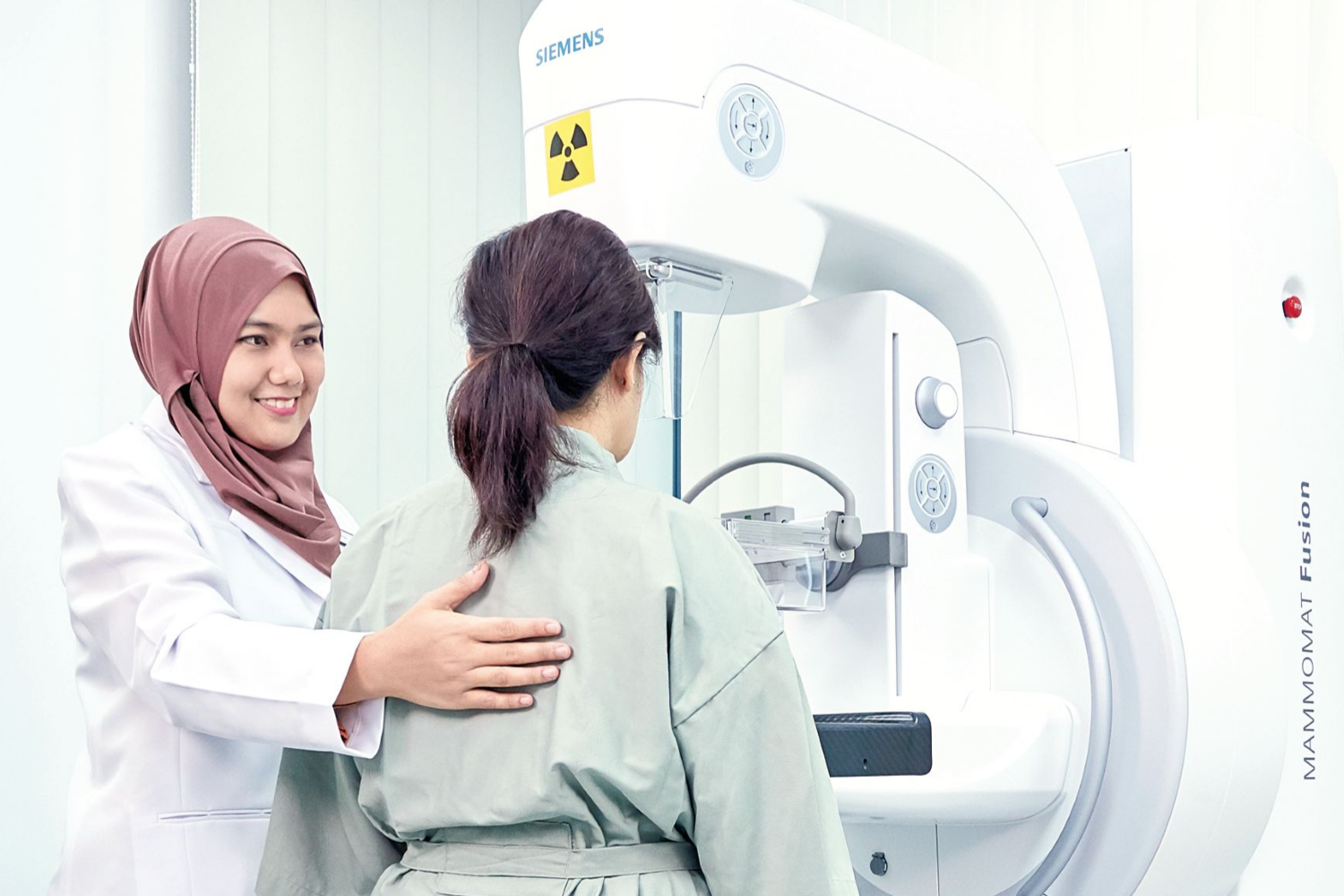
A mammogram is a low-dose X-ray examination of the breast used to look for changes or abnormalities in breast tissue.
Importantly, it can detect some changes before they can be seen or felt, which is why mammography is used for breast cancer screening in women who do not have symptoms.
During the examination, a radiographer positions each breast between two flat plates and compresses it briefly while X-ray images are taken. Compression helps spread the breast tissue so that clearer images can be obtained.
The pressure can feel uncomfortable, but it generally lasts only a few seconds at a time. The imaging itself is quick, although you should allow around 30 minutes for the overall appointment.
There is also an important distinction between a screening mammogram and breast imaging performed because you already have a symptom.
If you have noticed a lump, nipple discharge or bleeding, changes to the skin or nipple, or another persistent breast change, speak to a doctor for assessment rather than simply booking or waiting for routine screening.
When should you consider breast cancer screening?
The appropriate timing depends on your age, health and individual risk.
Singapore's Ministry of Health updated its screening recommendations in 2026, with recommendations based on current evidence, local epidemiological data and expert clinical input.
For women at average risk, the current approach is:
Mammogram subsidies & screening costs in Singapore
Navigating healthcare costs in Singapore is straightforward once you know which subsidies and Medisave options apply to your age group and residency status.
Healthier SG Screening subsidies
Under the Health Promotion Board’s (HPB) national screening framework detailed on HealthHub Singapore, Singapore Citizens (SCs) and Permanent Residents (PRs) aged 50 and above who meet eligibility criteria can access subsidised screening mammograms at polyclinics:
- Singapore Citizens (Healthier SG-enrolled): $0
- Singapore Citizens (Pioneer Generation, not enrolled in Healthier SG): $25
- Singapore Citizens (Merdeka Generation, not enrolled in Healthier SG): $37.50
- Singapore Citizens (not enrolled in Healthier SG): $50
- Permanent Residents (PRs): $75
Please refer to the CHAS website and HealthHub for the latest subsidy information.
Using MediSave for your mammogram
You can use your MediSave savings to offset out-of-pocket costs for mammogram screenings, reducing your direct cash expense:
- MediSave limit: Eligible women aged 50 and above (and high-risk women aged 40 and above) can use up to $500 per year (or $700 per year for complex care patients) under the MediSave500 / MediSave700 scheme for routine mammogram screenings.
- Account usage: As outlined by the Central Provident Fund (CPF) Board, you can use your own MediSave account or that of an immediate family member (such as a spouse or child) to pay for approved screenings.
Private & comprehensive screening packages
For patients who prefer direct access without polyclinic referrals, women with dense breast tissue, or those opting for complementary tests (such as breast ultrasound or blood tests like Mastocheck®), HMI Medical offers comprehensive screening packages. Explore our suite of screenings →
What if you have a family history or higher risk?
For some women, the standard screening schedule may not be enough.
Tell your doctor if you have a strong family history of breast cancer, a known genetic mutation associated with breast cancer such as BRCA, previous breast disease or other factors that may increase your risk.
Singapore's screening guidance recognises that women at higher risk may need an individualised screening programme rather than simply following the routine population schedule.
Family history is also more nuanced than simply whether a relative has had breast cancer. Your doctor may consider factors such as:
- which relative was affected
- how old they were when diagnosed
- whether more than one family member has had breast cancer
- whether there is a family history of other related cancers.
If you are unsure about your risk, speak with your doctor rather than trying to determine your screening schedule yourself.
What happens during a mammogram?
Knowing what to expect can make the appointment easier.
Before the mammogram, you will usually be asked about your medical history and whether you have any breast symptoms. You will need to undress from the waist up, so a comfortable two-piece outfit can make things simpler.
A radiographer will position one breast at a time on the mammography machine. The breast is briefly compressed between two plates while images are taken from different angles.
The compression helps spread the breast tissue and produce a clearer image. It may feel tight or uncomfortable, but generally lasts only several seconds.
How to prepare
If you still menstruate and your breasts tend to be tender around your period, you may find it more comfortable to schedule your mammogram about a week after your period begins.
On the day:
- Wear a comfortable two-piece outfit for ease of changing.
- Avoid deodorant, perfume, powder, lotion or ointment around your breasts and underarms, as these products may interfere with the X-ray image.
- Tell the radiographer if you are, or think you may be, pregnant.
- Bring previous breast imaging or reports if your screening centre has asked for them.
HealthHub provides further practical guidance on preparing for a mammogram appointment.
What happens after your mammogram?
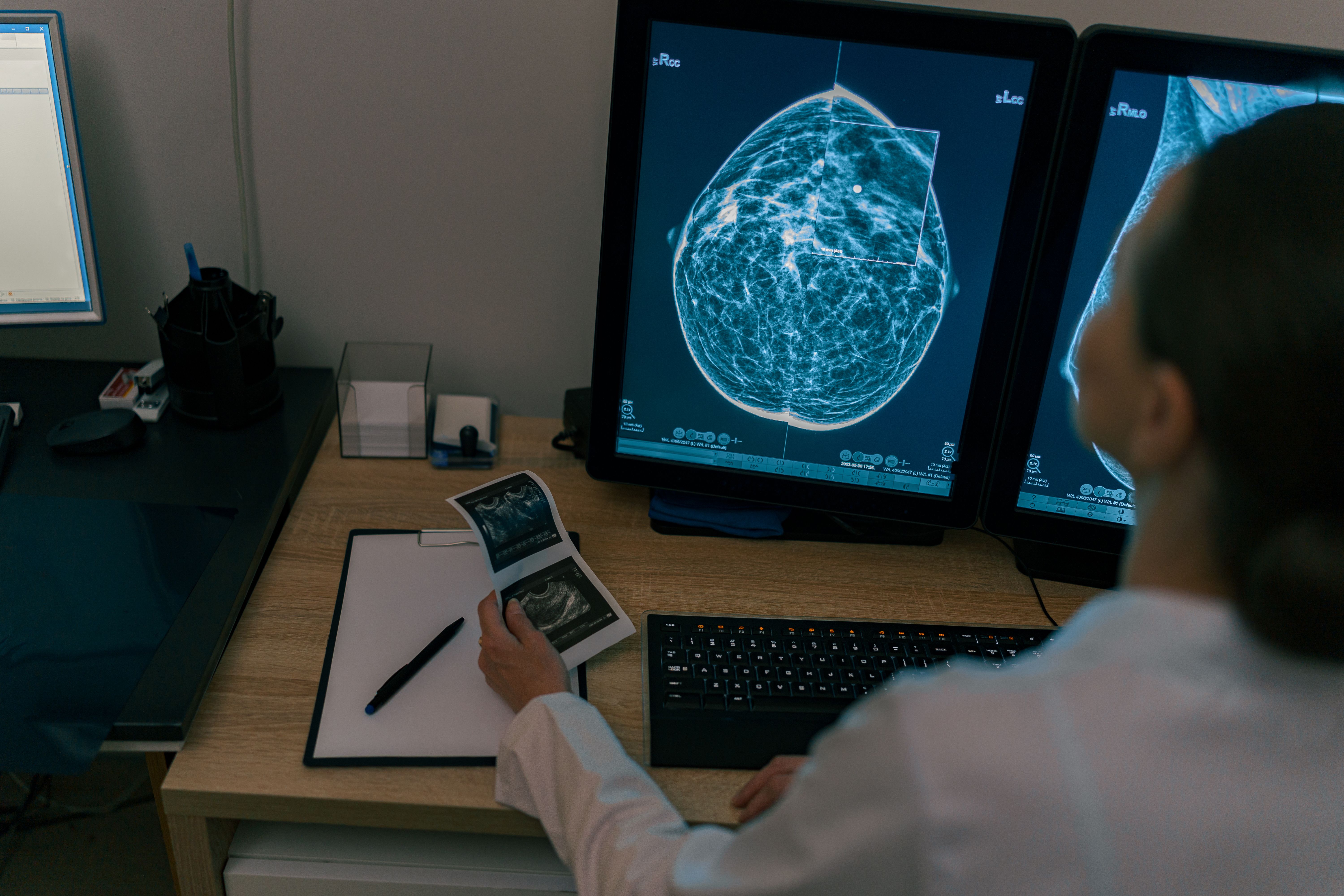
A radiologist reviews the images for anything that may require closer assessment.
If your mammogram is normal, continue screening at the interval recommended for you. A normal result does not mean you never need another mammogram, as breast tissue can change over time.
If something unusual is found, it is important not to assume the worst.
An abnormal mammogram does not automatically mean breast cancer.
It means an area needs to be examined more closely. Depending on what is seen, you may be asked to have additional mammogram images, an ultrasound or another form of assessment.
The important step is to complete any recommended follow-up.
Screening is not the same as investigating a breast symptom
Routine breast screening is intended for women without breast symptoms.
- Experiencing a lump, discharge, or breast change? Read our Diagnostic Assessment Guide.
- Want to understand your personal risk level? Read our Breast Cancer Risk Guide.
Many breast changes are not caused by cancer. However, they should still be medically assessed.
HealthHub recommends that women seek medical attention if they notice symptoms such as a painless lump, persistent nipple rash, unusual or bloody discharge, thickened or swollen skin, skin changes or nipple retraction.

Four questions worth asking yourself
Breast screening does not need to be complicated. Start with four simple questions.
When was my last mammogram?
If you have screened before, know when it was done and when the next one is due.
Does the standard screening schedule apply to me?
Your personal and family history may affect how and when you should screen.
Have I discussed my individual risk with a doctor?
This is especially important if you have close relatives who have had breast cancer or other known risk factors.
Have I noticed a breast change?
If yes, seek medical assessment rather than waiting for your next routine screening appointment.
Make breast screening one less thing to put off
This October, commemorate Breast Cancer Awareness Month by checking whether you are up to date with the screening that is appropriate for you.
For many women, that starts with knowing when their last mammogram was and when the next one is due.
For others, family history or other risk factors may mean a more individual approach is needed.
And if you have noticed a breast change, do not wait for routine screening. Speak with a doctor so it can be properly assessed.
Not sure when you’re due for a mammogram?
Ready for your routine mammogram? Speak with a doctor at a HMI clinic about your screening needs, obtain a referral for a mammogram, or to check your eligibility for subsidised screening.
You may also start by exploring our general health screening options that includes breast screening to understand your baseline, or begin with a breast cancer screening combining mammography and breast ultrasound at S$249 (incl GST) at HMI Medical Centre (Farrer Park & Amara).
Also read
Beyond age: Understanding your personal breast cancer risk
Breast cancer risk goes beyond age. Learn about family history, genetics, lifestyle and screening options in Singapore, including mammograms and breast ultrasound.
Beyond mammograms: What every woman in Singapore should know about screening options
Mammograms are not the only option for breast health screening. Explore different screening approaches and understand how imaging and other tests may form part of a personalised approach to breast health.
Know the signs of Breast Cancer
Knowing what is normal for your breasts can help you recognise changes that should be assessed by a doctor. Learn more about common breast cancer signs and when to seek medical attention.
Disclaimer: This article is for general awareness and does not replace medical advice. Please consult your doctor for personalised recommendations.