
Women’s Health
Beyond age: Understanding your personal breast cancer risk
01 October 2026
Share

When we think about breast cancer risk, age is often the first thing that comes to mind. But while getting older is an important risk factor, it is only part of the picture.
Understanding your broader risk profile, including genetic predisposition, family history, and lifestyle factors, helps you make informed decisions about your health and screening needs.
That distinction matters, particularly in Singapore. Breast cancer is the most common cancer among women in Singapore. According to the latest Singapore Cancer Registry data, 13,935 women were diagnosed with breast cancer between 2019 and 2023, accounting for 29.9% of cancers diagnosed in women during that period.
Understanding your own risk is not about trying to predict whether you will develop breast cancer. It is about knowing which factors may be relevant to you, when it may be worth speaking with a doctor, and whether your screening approach should be personalised.
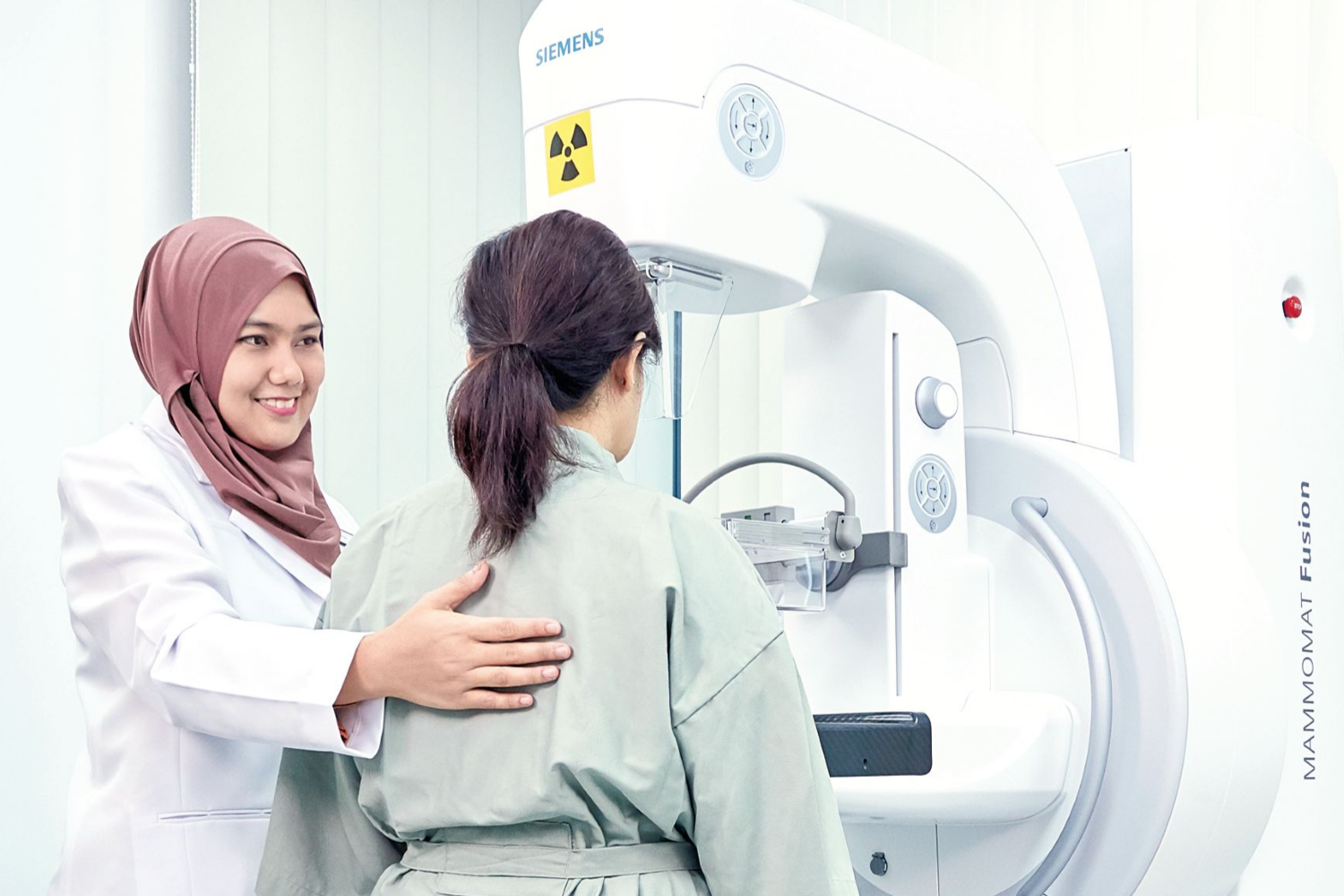
Age matters, but it isn't the whole story
Breast cancer risk increases with age, which is one reason age forms an important part of screening recommendations.
In Singapore, mammography is available as part of the national breast cancer screening programme for eligible women. Current HealthHub guidance recommends mammography for women aged 40 to 74, with screening frequency depending on age and individual circumstances. Women aged 75 and above may be offered screening based on their clinical risk profile and discussion with their doctor.
But age is not a complete picture of breast cancer risk.
A younger woman with a strong family history, an inherited genetic variant or a relevant previous medical history may have a different risk profile from another woman of the same age.
At the same time, being younger does not mean breast cancer is impossible, and being older does not mean that breast cancer is inevitable.
This is why screening recommendations are generally based on population-level evidence, while individual screening decisions may need to take personal risk into account.
If you are unsure when you should start screening or how often you should have a mammogram, read our guide on when to get a mammogram in Singapore.
Family history and genetics
If your mother, sister or daughter has had breast cancer, particularly at a younger age, this may increase your own risk.
But having breast cancer in the family does not automatically mean it is hereditary.
A small percentage of breast cancers are associated with inherited genetic changes. The most recognised inherited risk factors include changes in genes such as BRCA1 and BRCA2, which can significantly increase the lifetime risk of breast and certain other cancers. People with these variants may also develop cancer at a younger age or have particular patterns of cancer within their family.
Certain family patterns may therefore warrant closer assessment. These can include:
- breast cancer diagnosed at a younger age
- several close relatives with breast or ovarian cancer
- breast cancer affecting both breasts
- male breast cancer
- an individual or family history involving several types of cancer.
Genetic testing is therefore not something every woman automatically needs.
If your personal or family history suggests that inherited risk could be relevant, a doctor may recommend genetic counselling or a clinical risk assessment before deciding whether genetic testing is appropriate.
A useful place to start: know your family history where possible, including which relatives were affected and approximately how old they were when diagnosed.
Modifiable vs unmodifiable risks
Unmodifiable risk factors
These are intrinsic biological or genetic factors that cannot be altered:
- Age and gender: Risk increases naturally with age, with most cases diagnosed in women aged 40 and above.
- Family history: Having a first-degree relative (mother, sister, or daughter) diagnosed with breast or ovarian cancer significantly increases your personal risk.
- Genetics: Inherited gene mutations, particularly in the BRCA1 or BRCA2 genes, substantially elevate lifetime risk.
- Dense breast tissue: Women with dense breasts have a higher proportion of glandular tissue, which both increases risk and can make abnormalities harder to spot on standard mammograms.
- Reproductive history: Early onset of menstruation (before age 12) or late menopause (after age 55) lengthens lifetime exposure to estrogen.
Modifiable risk factors
These are lifestyle habits that can be adjusted to help lower overall risk:
- Physical activity: Regular exercise helps maintain a healthy body weight and balances hormone levels.
- Weight management: Higher post-menopausal body mass index (BMI) is associated with increased estrogen production.
- Alcohol consumption: Limiting alcohol intake helps reduce risk, as alcohol metabolism can increase circulating estrogen levels.
- Hormone replacement therapy (HRT): Combined hormone therapy used for menopausal symptoms over extended periods can increase risk. Discuss alternative management options with your doctor.

What about the factors you can influence?
Not every breast cancer risk factor can be changed. Your age, genes and family history are outside your control.
But some lifestyle factors have also been associated with breast cancer risk.
These include:
- Alcohol consumption: Higher or prolonged alcohol consumption is associated with increased breast cancer risk.
- Physical activity: Regular physical activity supports overall health and is associated with a lower risk of breast cancer.
- Body weight: Maintaining a healthy weight may be particularly relevant after menopause, when excess weight is associated with increased breast cancer risk.
- Smoking: Smoking is associated with an increased risk of several cancers, including breast cancer.
These should not be viewed as guarantees of prevention. Someone can follow a healthy lifestyle and still develop breast cancer, just as someone without obvious lifestyle risk factors can develop the disease.
Instead, think of these as areas where you can make choices that support your overall health and may help reduce some modifiable risks.
Does being higher risk change how you should be screened?
For women at average risk, screening recommendations are largely based on age.
For women with a significant family history such as if multiple family members have been diagnosed with breast or ovarian cancer, especially at a young age (under 50), you may benefit from a formal risk evaluation.
A clinical assessment can help determine whether genetic counseling or testing (such as BRCA1/BRCA2 screening) is appropriate. Women identified as high-risk may be advised to begin screening earlier than age 40 or to supplement mammograms with annual breast MRIs.
HealthHub notes that screening needs can depend on an individual's risk factors and health profile, and recommends discussing individual screening needs with a family doctor.
Additional breast imaging may be considered in particular circumstances. Mammography and ultrasound, for example, provide different types of information and may have different roles depending on factors such as age, breast tissue and clinical history.
More tests do not automatically mean better screening. The appropriate approach depends on the individual.
For a deeper look at the different breast screening approaches available to women in Singapore beyond mammograms, read our guide.
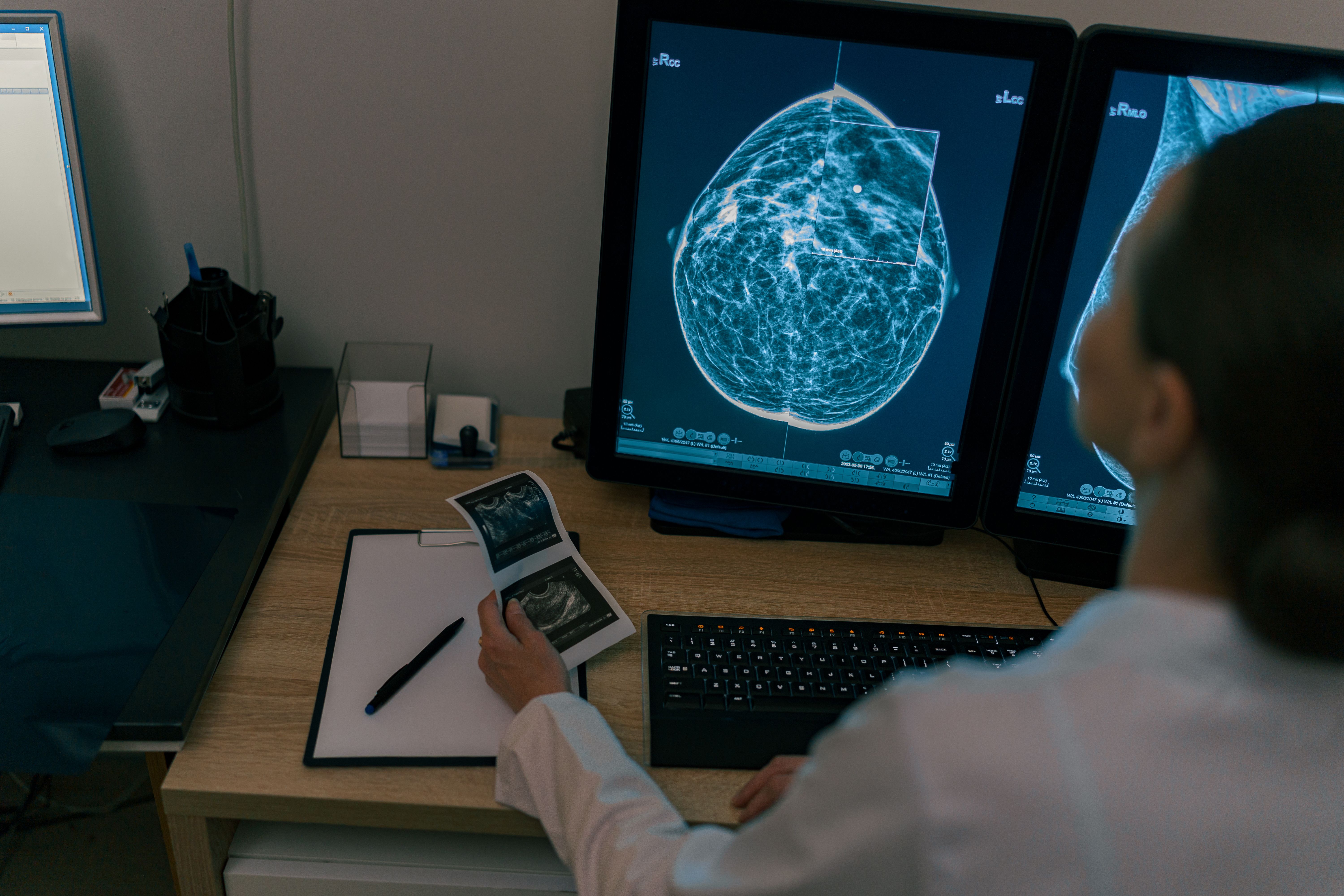
Breast screening at HMI Medical
HMI Medical offers two breast screening options:
Mammogram + breast ultrasound →
This combines two forms of breast imaging to provide additional information about breast tissue.
Mammogram or breast ultrasound + Mastocheck® →
This combines breast imaging with Mastocheck®, a blood test that analyses protein biomarkers associated with breast tissue changes.
These screening options should be considered in the context of your age, personal and family history, breast density and overall health. A doctor can help determine which approach is appropriate for you.
The aim is not to choose the option with the most tests, but to choose an approach that makes sense for your individual circumstances.
What should you actually do with this information?
Understanding breast cancer risk should help you take sensible action, not make you anxious about every possible risk.
Four practical steps can make breast health easier to navigate.
Know your family history
You do not need a complete family medical record, but knowing whether close relatives have had breast or ovarian cancer, particularly at younger ages, can be useful information to share with your doctor.
Keep up with recommended screening
Screening is designed to detect breast abnormalities before they necessarily cause symptoms.
Yet participation in breast cancer screening remains an area for improvement in Singapore. Staying up to date with the screening recommended for your age and risk profile is one of the most practical things you can do for your breast health. HealthHub provides the current national screening recommendations and eligibility criteria.
For more information about mammography, including when to get one, the subsidies available, MediSave usage, and what to expect, see our guide to mammogram screening in Singapore.
Be familiar with your breasts
Knowing what is normal for you can make it easier to recognise a change that deserves medical attention.
A new or persistent change should be assessed by a doctor rather than simply waiting for your next routine screening.
Noticed a new symptom or breast lump? Do not book routine screening. Read our guide on what to expect during a clinical breast assessment.
For a more detailed guide to symptoms and warning signs, read our guide on knowing the signs of Breast Cancer.
Talk about significant risk factors
If you have a strong family history, previous breast conditions, a known genetic risk or another reason to think you may be at higher risk, raise it with your doctor.
Your screening needs may differ from standard age-based recommendations.
Breast cancer risk is personal
Age matters. But it does not tell the whole story.
Your risk reflects a combination of factors, some you can influence and many you cannot. Family history is important, but having a family history does not automatically mean that breast cancer is hereditary. Likewise, many women who develop breast cancer have no obvious risk factors.
Understanding your risk is therefore not about trying to calculate whether you will develop breast cancer.
It is about knowing what is relevant to you, whether anything warrants a conversation with your doctor, and whether you are following an appropriate screening plan.
Take the next step for your breast health
If you are due for breast screening or are unsure which screening approach may be appropriate for you, speak with a doctor about your individual risk and screening needs.
Screening is intended for people without breast symptoms. If you notice a new or unusual breast change, seek medical advice for an appropriate clinical assessment.
You may also read our guide on breast screening options beyond mammograms to explore the available screening options.
Discuss your risk profile
Understanding your personal risk factors helps tailor your screening schedule to your needs. Book a consultation at a HMI clinic to evaluate your family history and screening options.
References
- Singapore Cancer Registry / National Cancer Centre Singapore — Breast Cancer
- National Cancer Centre Singapore — Breast Cancer: Risks, Symptoms & Treatments
- HealthHub Singapore — Recommended Screening Tests by Age
- HealthHub Singapore — Evidence-based Recommendations on Health Screening Tests
Disclaimer: This article is for general awareness and does not replace medical advice. Please consult your doctor for personalised recommendations.