
Managing hip pain: A guide for active and working adults in Singapore
09 July 2026
Share
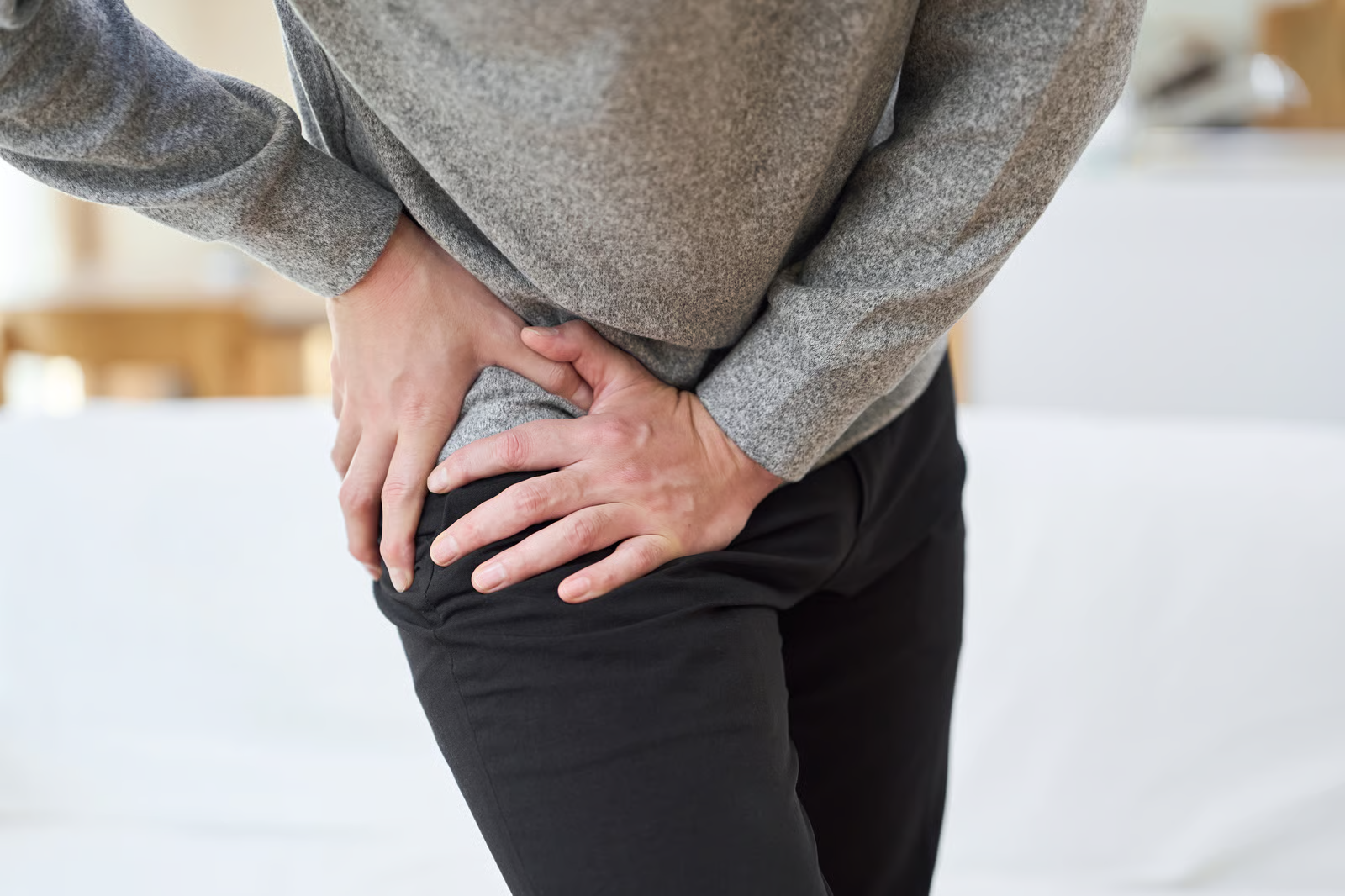
Hip pain is often mistakenly thought of as an ailment that only affects older populations. However, a recent report by The Straits Times highlighted a shifting demographic trend across Singapore. A growing number of younger, working individuals between the ages of 20 and 50 are actively seeking medical intervention for hip discomfort. This includes corporate professionals, and active individuals experiencing groin or outer hip pain brought on by repetitive training, high-impact sports, or sudden changes in fitness routines.
For working adults in Singapore, this serves as an important reminder. Everyday routines, including long MRT or bus commutes, sitting at an office desk for consecutive hours, navigating stairs at transit hubs, and carrying heavy laptop bags can place a cumulative physical load on our lower limbs.
While a deep ache, groin stiffness, or discomfort on the outer hip may be easy to dismiss as typical workday fatigue or minor post-exercise soreness, it warrants professional attention when it begins to disrupt your sleep, standard walking gait, or performance at work.
Why working adults experience hip pain
Musculoskeletal hip discomfort can arise from several factors, including muscle strains, tendon irritation, joint stress, or repetitive movements without adequate recovery.
This growing clinical trend among younger demographics was detailed in The Straits Times report. In the article, Dr Lim Chin Tat, Senior Consultant Orthopaedic Surgeon at The Orthopaedic Practice and Surgery (TOPS), a part of HMI Medical, shared that he has seen at least a 10 per cent increase in patients aged 20 to 45 complaining of hip pain.
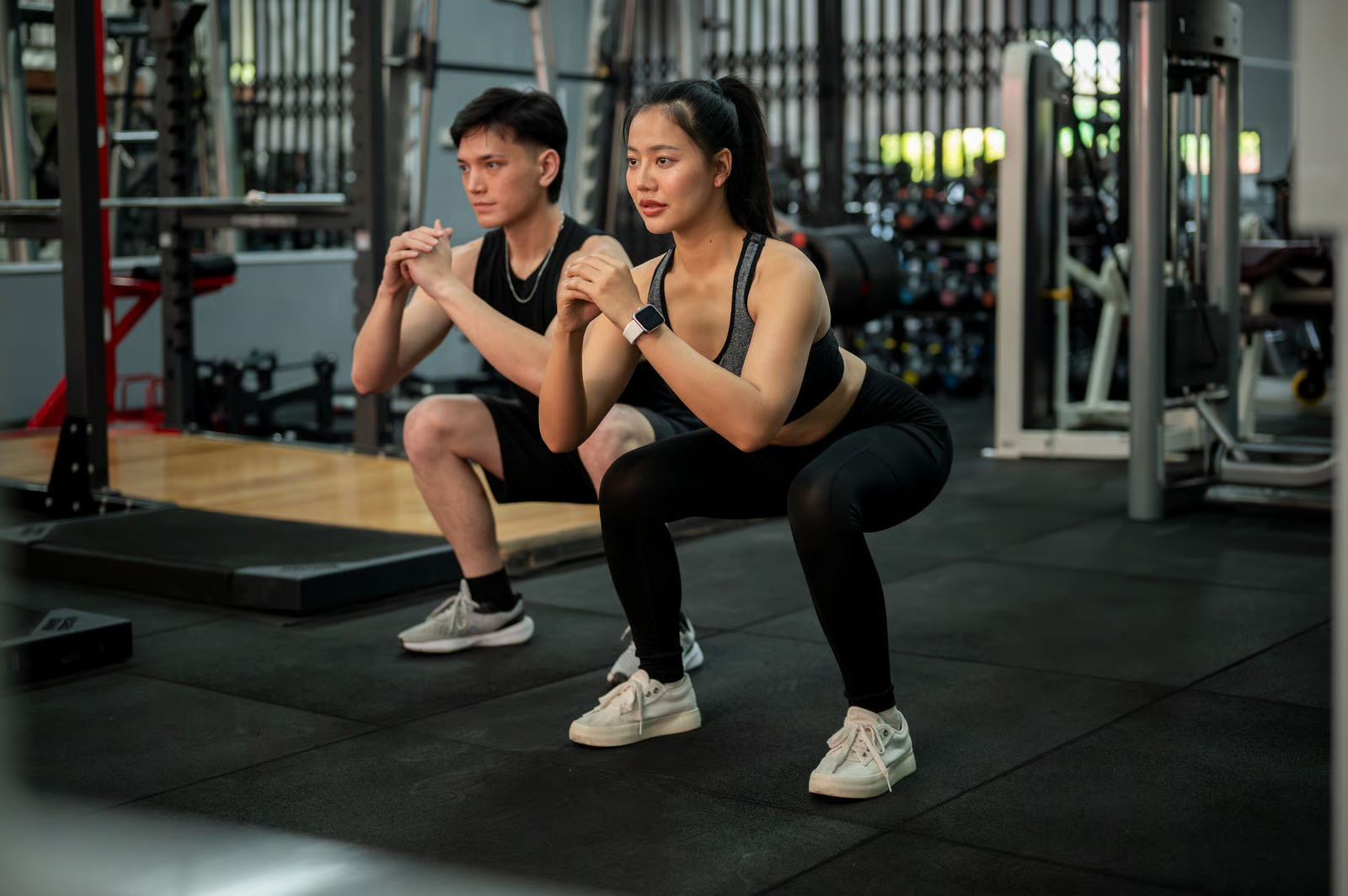
Dr Lim attributes this rise to greater participation in sports and functional fitness trends, highlighted by popular fitness races such as Hyrox. Speaking to The Straits Times, he explained:
“These events often require repetitive deep squat-type movements, such as wall balls, burpees and sandbag lunges. The increased hip flexion and loading involved in these activities can place stress on the hip joint and may lead to injuries."
Common daily triggers for working adults in Singapore include:
- Sitting for extended periods without taking regular standing breaks.
- Standing or walking for prolonged durations during service-based or retail work shifts.
- Climbing stairs frequently during daily commutes, and field assignments.
- Lifting, carrying, or moving heavy items without proper ergonomic support.
- Participating in high-intensity functional training, gym sessions, distance running, or racket sports like badminton, and tennis.
- Ramping up physical training volume or weight loads too quickly after a long break.
The precise location of your discomfort can offer distinct clues to its underlying cause. Pain felt primarily at the front of the hip or groin often involves the hip joint itself, such as the acetabulum or femur contact areas. Discomfort on the outer hip typically relates to the surrounding tendons, like the tensor fasciae latae muscle, and gluteal attachments. Meanwhile, deep discomfort around the buttocks may sometimes originate from a lower back issue rather than the hip itself.
Simple ways to reduce strain on your hips
Incorporating small adjustments into your daily professional and personal routine can help protect your joints, and alleviate unnecessary pressure on your hips.
- Take regular movement breaks: Aim to stand up, change positions, or walk around briefly every 30 to 60 minutes to prevent joint stiffness.
- Vary your posture: Avoid staying in a single static position by alternating between sitting, standing, and short walks throughout the office day.
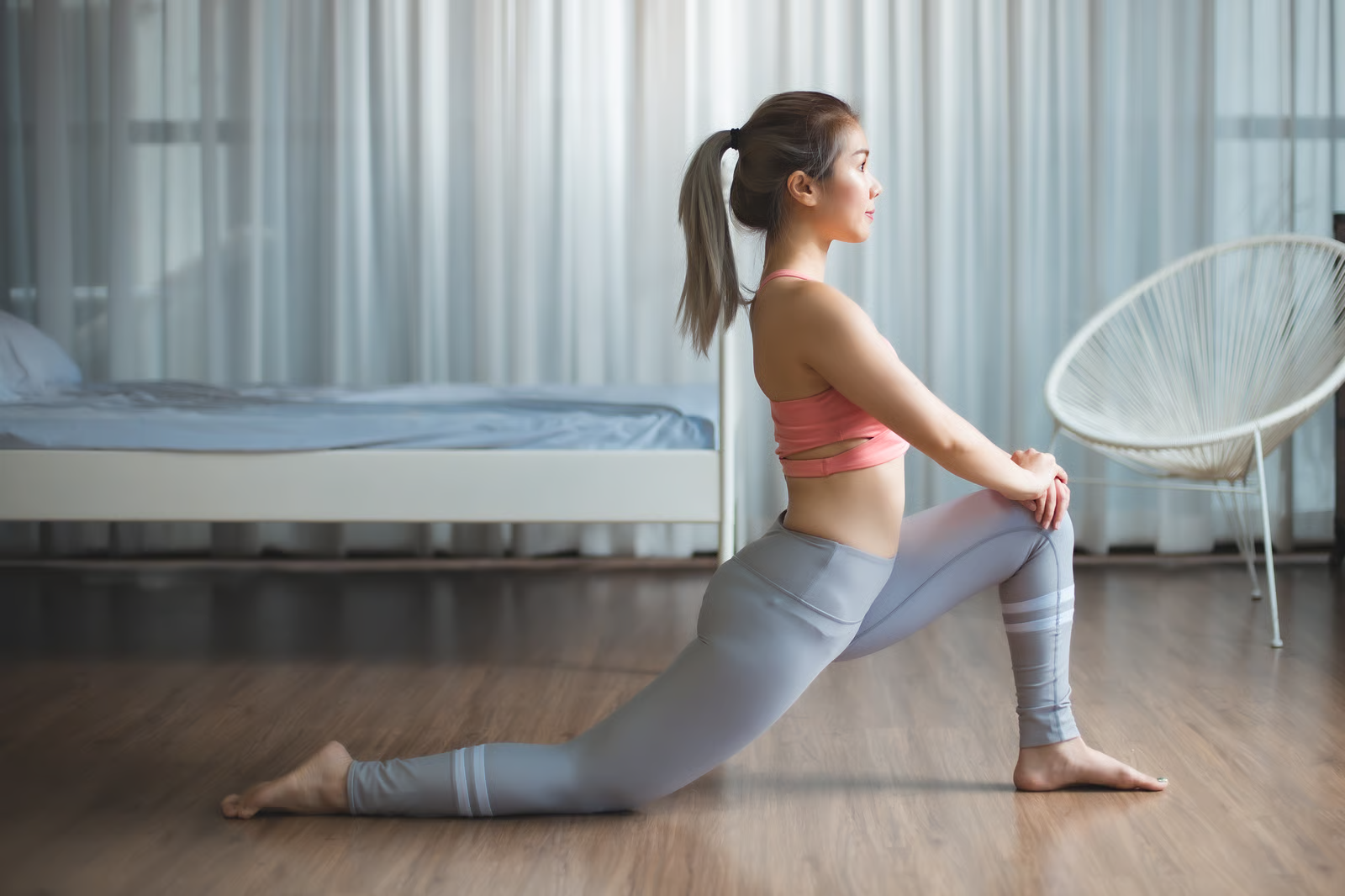
- Build targeted strength and mobility: Incorporate dedicated mobility drills, glute strengthening, yoga, or pilates to support your core, and lower body joints.
- Prioritise a thorough warm-up: If you train before or after office hours, allocate sufficient time for dynamic warm-ups before lifting weights, running, or playing sports.
- Progress physical activity gradually: Many joint and tendon aches occur when exercise intensity is increased too quickly, particularly after a period of inactivity, illness, business travel, or a demanding work cycle.
When to seek a professional medical assessment
It is advisable not to ignore hip pain that persists, worsens over time, or restricts your mobility during daily tasks. Consider consulting a general practitioner if you notice any of the following symptoms:
- Hip or groin pain that does not improve after several days of rest.
- Discomfort while sitting, walking, climbing stairs, or exercising.
- Clicking, catching, popping, or locking sensations within the joint during movement.
- Persistent pain following a fall, minor accident, or sports-related impact.
- Discomfort that consistently returns whenever you attempt to resume physical activity.
- Pain that actively disrupts your ability to work, commute comfortably, or sleep soundly.
When to seek immediate care: Please seek urgent medical attention at an emergency department or clinic if your hip pain is severe, follows a significant impact or fall, or if you are entirely unable to bear weight on the affected leg.
Taking the next step for your joint health
A general practitioner can provide a comprehensive initial assessment, help isolate the source of your symptoms, and recommend an appropriate treatment pathway. Depending on your diagnosis, this may involve lifestyle and ergonomic modifications, short-term medication to manage inflammation, a referral for structured physiotherapy, further diagnostic imaging like X-rays or MRIs, or a referral to an orthopaedic specialist, such as Dr Lim Chin Tat.
If you are experiencing persistent hip discomfort that is affecting your quality of life, you can visit your nearest HMI OneCare Clinic or panel GP clinic in Singapore for a professional evaluation.
━
Disclaimer: This article is intended for general educational purposes only and should not be regarded as medical advice, diagnosis, or treatment. Please consult a qualified healthcare professional for personalised medical advice.