
Colorectal Cancer Awareness Initiative
HMI’s Pledge: 1,500 FIT Screenings
Colorectal cancer is one of the more common cancers in Singapore, but regular screening can help detect it early. This Colorectal Cancer Awareness Month, HMI Singapore is encouraging 1,500 FIT screenings to support preventive health in the community.
When you should get screened
Colorectal cancer screening and diagnostic tests
Screening tests (such as stool tests like the FIT test) look for early signs that something may need checking. If a screening test shows an abnormal result, doctors may recommend diagnostic tests such as colonoscopy or biopsy to find out the exact cause.
Eligible Singaporeans may receive subsidised FIT screening for $0 to $5 ➜
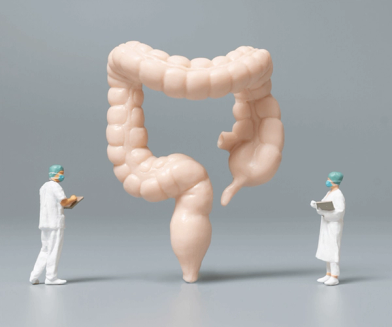
The FIT test is a simple screening test for colorectal cancer that detects hidden blood in the stool. This may sometimes indicate polyps or colorectal cancer.
The FIT test is commonly used for colorectal cancer screening in Singapore and may be included in health screening packages. It is:
- Simple and non-invasive
- Can be completed at home or in clinic
- Requires only a small stool sample
- Often recommended once a year for individuals aged 50 and above
If the FIT test detects blood in the stool, your doctor may recommend further checks, such as a colonoscopy, to determine the cause.
A positive screening test does not mean you have colorectal cancer. It means additional checks are needed to understand the result.
What happens after a screening test
It is important to know that a positive screening test does not mean you have colorectal cancer. Many results are due to non-cancerous conditions such as polyps or piles, and follow-up tests help confirm the reason.


Frequently asked questions
Does a positive screening test mean I have colorectal cancer?
I am under 50. Do I need colorectal cancer screening?
Who should I see for colorectal screening or digestive symptoms?
Can colorectal screening be done as part of a health screening?
Are there subsidies for colorectal cancer screening in Singapore?