
Health Advisory
Understanding Nipah Virus: What families in Singapore should know
03 February 2026
Share
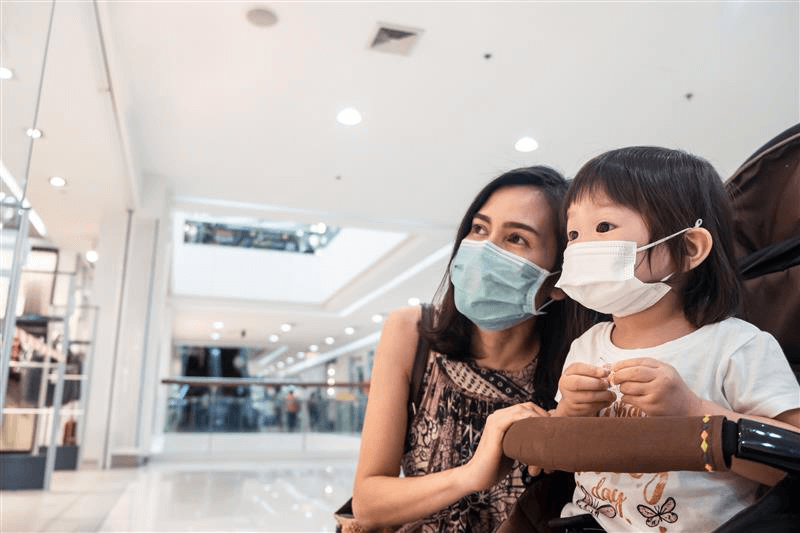
Reports of infectious diseases overseas can raise questions, particularly for families living in Singapore who travel regularly, have relatives abroad, or care for children and older family members at home.
Nipah virus is a rare viral infection that has been reported in parts of South Asia. There are currently no reported cases in Singapore, and the likelihood of local exposure remains low. As with other infectious diseases, health authorities continue routine monitoring and border health measures as part of Singapore’s public health preparedness.
This article provides practical health information for families in Singapore. It explains what Nipah virus is, how it spreads, symptoms to be aware of, travel-related considerations, and when it may be appropriate to seek medical care.
What is Nipah virus?
Nipah virus is a zoonotic virus, which means it can spread from animals to humans. It belongs to a group of viruses known as henipaviruses.
The virus was first identified in Malaysia in 1998. Since then, small and localised outbreaks have occurred intermittently in parts of India and Bangladesh. Recent cases reported in the news are limited to West Bengal, India.
At present, there is no licensed vaccine or specific antiviral treatment for Nipah virus. Medical care focuses on early detection and supportive treatment, and research is ongoing internationally.
How does Nipah virus spread?
Nipah virus does not spread easily in the community. Most infections occur through specific types of exposure rather than everyday contact.
Transmission may occur through:
· Contact with infected animals, particularly fruit bats or pigs
· Consumption of contaminated food or drinks, such as raw date palm sap exposed to bats
· Close and prolonged contact with an infected person, usually while providing care
Routine daily activities in Singapore, including school, work, public transport, and social settings, do not typically pose a risk.
Symptoms to watch for
Symptoms usually appear between 4 days and 3 weeks after exposure. Early symptoms can be similar to those of other common viral infections.
These may include fever, headache, muscle aches, sore throat, or cough. In some cases, illness can progress to more serious symptoms such as difficulty breathing, confusion or changes in behaviour, seizures, or loss of consciousness.
Because these symptoms overlap with many illnesses commonly seen in Singapore, recent travel history and possible exposure are important factors when seeking medical care.
What this means if you live in Singapore
For residents in Singapore, the likelihood of Nipah virus exposure remains low. Outbreaks tend to remain localised, and person-to-person transmission is uncommon.
As part of routine public health preparedness, Singapore has enhanced monitoring in hospitals and emergency departments, implemented temperature screening for selected incoming flights, and increased surveillance of newly arrived migrant workers from South Asia. These measures support early identification and appropriate care if needed.
What parents and caregivers need to know about the Nipah virus
Most children and older adults in Singapore are not at increased risk of Nipah virus exposure, as the virus does not spread easily in the community. However, symptoms may be less specific in these age groups.
In children, symptoms that warrant closer attention include persistent fever, unusual tiredness, reduced activity, poor appetite, vomiting, or changes in behaviour such as increased irritability or confusion. Parents should seek medical advice if symptoms develop after recent travel to affected areas or after close contact with someone who became unwell following travel.
In older adults, particularly those with chronic medical conditions, illness may present as increased fatigue, worsening of existing health issues, or changes in mental state such as confusion. Medical assessment is recommended if symptoms develop after travel or possible exposure, even if symptoms appear mild initially.
Early medical review helps ensure appropriate evaluation and care for both children and older adults.
When to see a doctor in Singapore
Medical assessment is recommended if you or a household member:
· Develop fever or flu-like symptoms after travel to affected areas, or
· Have had close contact with someone who became unwell following such travel
When seeing a doctor, sharing details of recent travel and possible exposures helps guide appropriate evaluation and care.
Your GP is usually the best first point of contact, as they can assess symptoms, advise on next steps, and arrange further tests or referrals if needed. GP doctors at HMI OneCare Clinics, part of HMI Medical, provide care for families across Singapore. Telemedicine consultations are also available, which can be a convenient first step if symptoms are mild, if you are monitoring symptoms after travel, or if you are caring for young children or older family members at home. The GP you’re consulting can advise whether an in-clinic visit is needed.
Practical precautions for households
During overseas travel, avoid contact with sick animals, avoid potentially contaminated food or drinks, and wash hands regularly with soap and water.
For households employing migrant domestic helpers, employers are advised to encourage helpers travelling to affected areas to avoid contact with bats, pigs, and unwell individuals, avoid fruit found on the ground, and seek medical attention promptly if symptoms develop during or after travel.
If you are travelling to or from India
If you live in Singapore and are travelling to India, or have recently returned, it is advisable to stay informed about health advisories, particularly if travelling to areas where cases have been reported.
Current cases are limited to West Bengal, and reported numbers remain small. Additional health screening measures are in place at airports.
During travel, avoid contact with bats, pigs, and wild animals. Eat fully cooked food only, avoid raw or unpasteurised products including raw date palm sap, and practise good hand hygiene.
After returning to Singapore, monitor your health for up to three weeks. Seek medical advice if you develop fever, headache, breathing difficulty, or neurological symptoms, and inform your doctor about your recent travel.
Travelling within Southeast Asia
There are no travel restrictions related to Nipah virus for travel between Singapore and countries in Southeast Asia, including Malaysia, Indonesia, Thailand, Vietnam, the Philippines, and Cambodia.
At present, there are no reported Nipah virus cases in Southeast Asia. Health authorities across the region have strengthened routine surveillance and border health measures as part of broader infectious disease preparedness. In Malaysia, enhanced screening is in place at international entry points, and no Nipah virus has been detected in domestic or wild animals.
For those travelling within the region, general travel health precautions are recommended, including practising good hand hygiene, consuming fully cooked food, and avoiding contact with sick animals.
If you feel unwell during or after travel, seek medical advice promptly and inform your doctor about your recent travel history.
Looking after your family’s health
Nipah virus is a rare infection that is closely monitored by public health authorities. For families living in Singapore, the risk of exposure remains low.
Staying informed, taking sensible precautions when travelling, and seeking medical advice early if symptoms develop are practical steps to protect your family’s health. If you have concerns about symptoms, recent travel, or the health of your children or older family members, your GP, including doctors at HMI OneCare clinics or via telemedicine, can provide guidance, reassurance, and appropriate follow-up care.