
Cardiac
Check your lipoprotein(a) level to prevent heart disease and stroke
Contributed by Dr Peter Ting
26 September 2025
Share
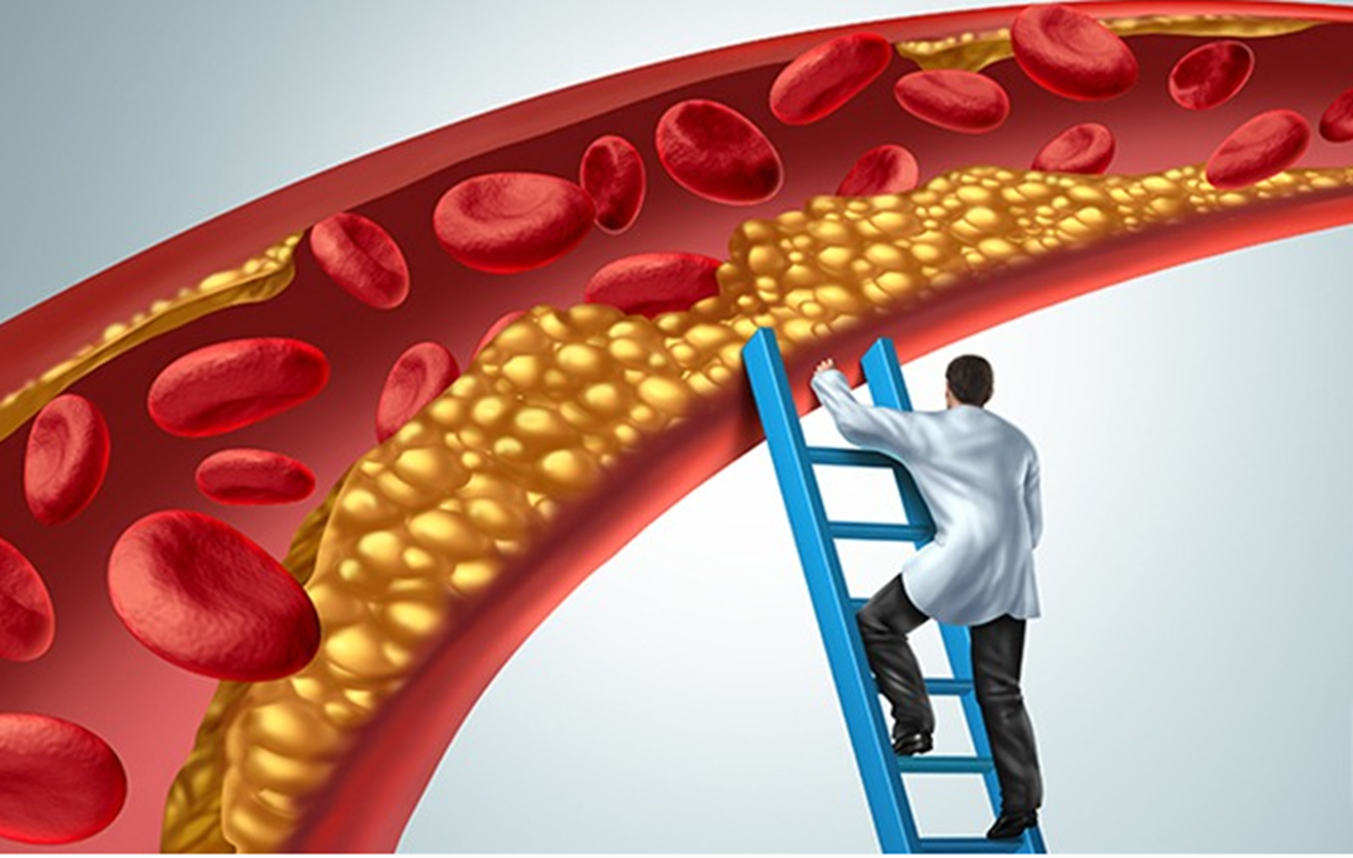
If you think you won’t have a heart attack just because your cholesterol level is normal or low, think again. Lipoprotein(a), or Lp(a) for short, is a type of cholesterol-carrying particle in the blood that is similar to LDL ("bad") cholesterol but is even more likely to cause heart attacks and strokes¹. Elevated Lp(a) levels can increase this risk even in individuals with normal or low LDL cholesterol levels. This is because in addition to getting more easily into the blood vessel wall to cause blockages, it also promotes inflammation and blood clotting.
High levels of Lp(a) are genetically determined and occurs more commonly than we think, affecting around one in five people. At present Lp(a) testing is not routinely performed, but there are increasing calls to include it during routine cholesterol screening. More so in individuals with artery blockages at a young age, or have a family history of early heart disease or stroke, or high cholesterol that doesn’t respond to treatment.
What can we do if we have elevated Lp(a) levels? There is no specific drug treatment yet, but there are several promising candidates currently being researched. Meanwhile even though healthy changes to diet and exercise don’t significantly lower Lp(a) levels, these measures can still lower the overall cardiovascular risk. One should stop smoking, exercise regularly, maintain a healthy weight, eat a heart healthy diet like DASH diet or Mediterranean diet, strictly control one’s blood pressure, blood sugar and LDL cholesterol levels. In addition, manage stress and ensure adequate good quality rest and sleep. Don’t hesitate to use medications to help control the above risk factors better if they cannot be adequately achieved through lifestyle modifications. Depending on the level, one may need to use lipid lowering medications and blood thinners. In rare cases apheresis may be done, which acts like dialysis to take Lp(a) out of the blood.
Many people are unaware of their Lp(a) levels, as it doesn't typically cause noticeable symptoms. Knowing your Lp(a) level can help you and your doctor make more informed decisions on how to better manage your risk of heart attack and stroke. Check with your doctor if you should screen for elevated Lp(a) today.
Reference
- Reyes-Soffer G, Ginsberg HN, Berglund L, et al. Lipoprotein(a): A Genetically Determined, Causal, and Prevalent Risk Factor for Atherosclerotic Cardiovascular Disease: A Scientific Statement From the American Heart Association. Arterioscler Thromb Vasc Biol 2022; 42(1):e48-e60.

Senior Consultant Cardiologist
HMI Medical Centre (Farrer Park), Harley Street Heart & Vascular Centre @ Gleneagles Hospital