
What cataract surgery costs in Singapore: Fees, MediSave and Insurance
08 June 2026
Share

June is Cataract Awareness Month, a timely reminder to understand cataracts, how they may affect daily life, and what treatment options are available. Cataracts are a common age-related eye condition, and they remain one of the leading causes of vision impairment worldwide.
In Singapore, this is especially relevant as our population continues to age. According to the Ministry of Health, 1 in 4 Singaporeans will be aged 65 and above by 2030.
For many patients considering cataract surgery, cost is usually one of the first questions that comes to mind.
The procedure itself is routine and widely available. What can feel less straightforward is understanding what you may actually need to pay. The cost usually depends on several factors:
- Insurance coverage and rider co-payment requirements
- MediSave claim limits
- Lens options
- Day surgery and facility fees
- Different pricing structures across healthcare providers
A common question we hear at HMI Medical is:
“What will I actually need to pay?”
The answer depends on your eye condition, the type of lens recommended, your insurance coverage, MediSave eligibility, and where the procedure is performed.
This guide explains the key cost components so you can ask the right questions and compare your options with more clarity.
What is included in cataract surgery costs in Singapore?
Cataract surgery is commonly performed as a day surgery. This means you are usually discharged from the medical facility within 24 hours of the procedure.
While some providers may offer a package fee, asking for a full fee breakdown upfront can help you understand what sits inside and outside of a standard surgery bundle:
- What's usually OUTSIDE the bundle: Your first consultation, pre-operative eye scans and diagnostics, and any post-surgery follow-up visits.
- What's usually INSIDE the bundle: The physical operation costs, including the surgeon's fee, day surgery facility charges, anesthetist fee, and basic immediate post-op medications.
While these figures reflect the baseline operational fees of the procedure, your final total will also depend heavily on the specific type of artificial lens recommended for your procedure.
How lens choice affects cataract surgery cost
During surgery, your cloudy natural lens is replaced with an artificial intraocular lens, or IOL.
While the choice of lens affects the final cost of the procedure, the right lens for you depends on your eye health, your lifestyle and your doctor’s recommendation, not just the price tag.
Monofocal lenses
These are commonly used and typically correct vision at one focal distance. Most affordable. Usually covered by MediSave/insurance but you will likely still need reading glasses after the procedure.
Toric lenses
Mid-tier option in terms of cost but usually recommended for patients with astigmatism.
Multifocal lenses
Highest out-of-pocket cash layout, but greatly reduces dependency on all glasses.
Your eye specialist should explain the benefits, limitations, suitability, and cost of each lens option before you decide.
Can MediSave be used for cataract day surgery?
If you are a Singapore citizen or permanent resident, you may be able to use MediSave for eligible cataract day surgery expenses, subject to current Ministry of Health withdrawal limits.
These figures apply to a typical cataract surgery for a single eye, classified under Table 4A of the Ministry of Health’s Table of Surgical Procedures.
It is best to check claim limits with your chosen facility, as it may differ depending on the complexity of the procedure and your personal circumstances.
How insurance affects cataract surgery costs
Some Integrated Shield Plans and private insurance plans may cover eligible cataract procedures.
Coverage depends on factors such as:
- Your insurer & policy terms
- Pre-authorisation requirements
- Deductibles
- Co-payments
- Whether your doctor or facility is on your insurer’s panel
For example, seeing a doctor on your insurer’s panel may help with smoother pre-authorisation and may affect your coverage or co-payment amount.
As insurance riders and co-payment requirements can differ by plan, it is worth checking with your insurer early. This helps you understand what is covered and what out-of-pocket costs may still apply.
Example: What a cataract day surgery bill may look like
A typical cataract day surgery bill for a patient that goes through a unilateral (one eye) cataract surgery at a private day surgery center using a standard Monofocal lens, and is eligible for MediSave withdrawals may look like this:
ˆThis is an illustration, total bill sizes will vary depending on personal circumstances, the type of procedure performed, and many more.
˜$2,000 is the minimum IP deductible for private non-subsidised day surgeries. The IP deductible might be more than $2,000.
˟Depends on the copayment policy of your personal insurance plan.
Why cataract surgery fees vary between providers
In Singapore, cataract surgery is available in both public and private healthcare settings.
For the subsidised public route, you will generally need a referral from a polyclinic.
Fees may also differ based on:
- Subsidy eligibility
- Treatment setting
- Consultation fees
- Facility charges
- Lens selection
- Complexity of the procedure
What matters most is understanding exactly what is included in the quoted fee and whether the recommended treatment makes sense for your needs.
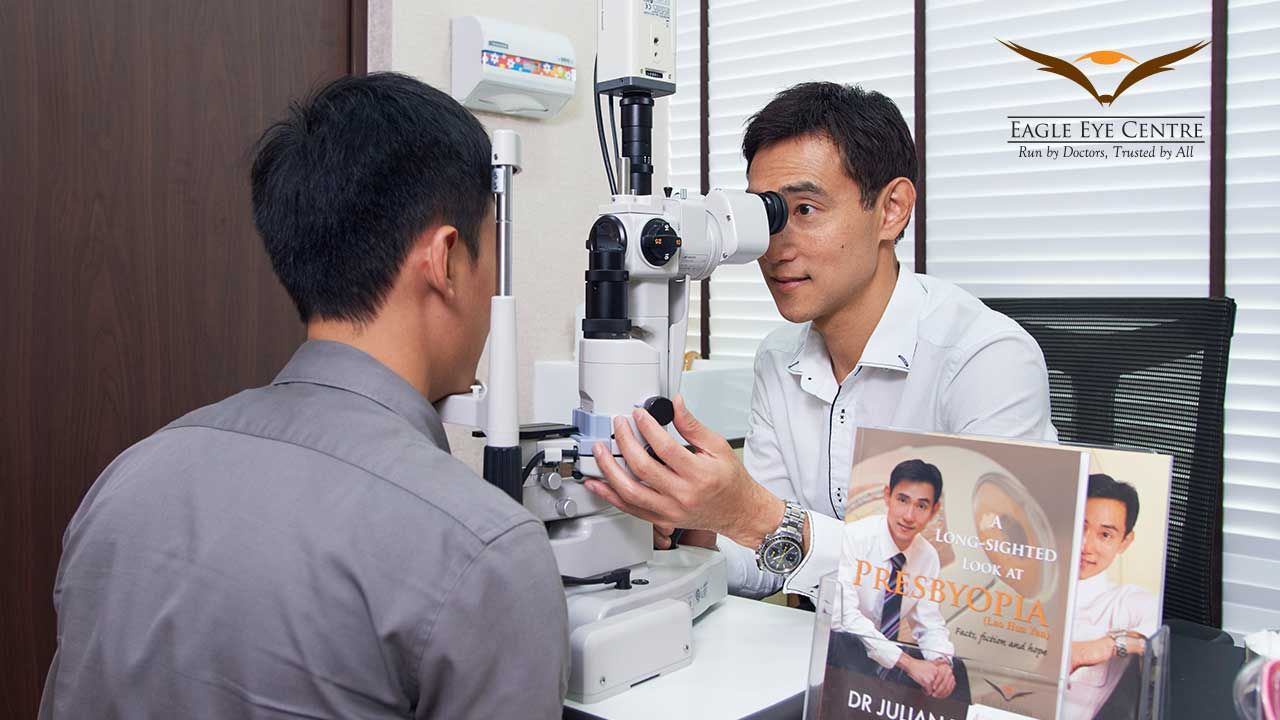
Specialist cataract care with broader healthcare support
Cataract surgery is usually a day surgery procedure, but each patient’s needs may be different.
For patients managing conditions such as diabetes, hypertension, or other health concerns, these factors may need to be considered before surgery.
At Eagle Eye Centre, patients can see an eye specialist for cataract assessment, surgery planning, and follow-up care. As part of HMI Medical, the team can also help connect patients with broader healthcare services across the group, including primary care, health screenings, and other specialist services if further support is needed before or after surgery.
Questions to ask before cataract surgery
Before proceeding with cataract surgery, consider asking your clinic or doctor:
- What is included in the quoted fee?
- Are diagnostic tests charged separately?
- What type of lens is being recommended?
- How much can be claimed through MediSave?
- Will insurance cover part of the procedure?
- Will there be follow-up costs?
These are the conversations that help you understand treatment options and the likely out-of-pocket cost before you commit.
Understanding your options starts with screening
Cataracts often develop gradually, so changes in vision may not be obvious at first. If you are experiencing blurry vision, glare sensitivity, difficulty driving at night, or trouble reading clearly, a cataract screening can help identify whether cataracts may be affecting your vision.
From there, an experienced optometrist can advise whether further assessment by an eye specialist will be needed. The eye specialist may then advise you on whether surgery may be appropriate, and what treatment and cost considerations may apply to your situation.
Cataract Awareness Month is a useful reminder to take vision changes seriously, especially when they start affecting daily life. Getting screened early can help you better understand what is happening and make a more informed decision about your care.