
Varicose Veins
Do Varicose Veins Always Need Treatment?
03 September 2026
Share
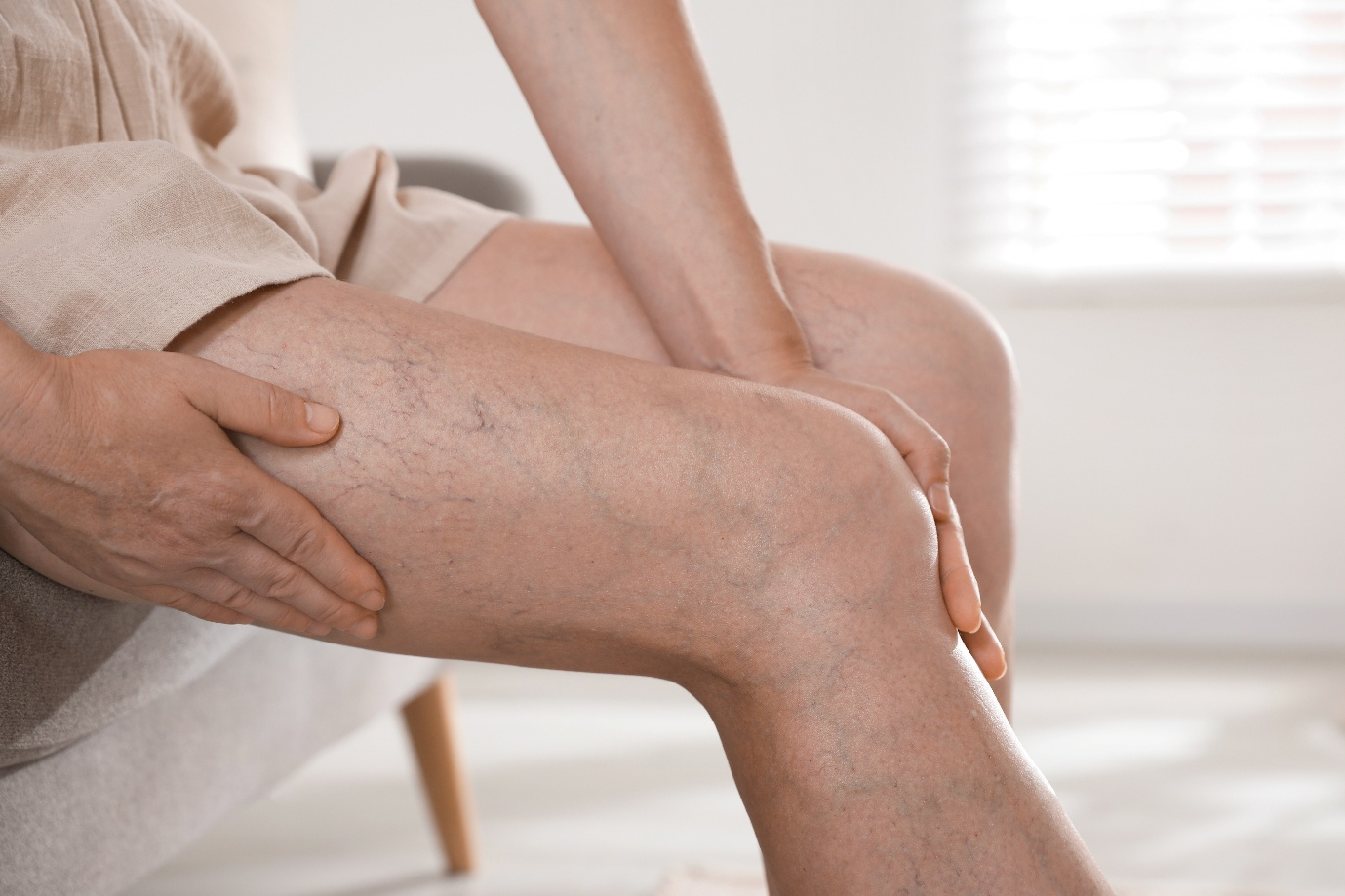
Not every varicose vein needs to be treated straight away.
Some people live with mild varicose veins for years without significant discomfort, swelling or skin changes. In these cases, monitoring their condition may be entirely reasonable.
However, varicose veins should not automatically be dismissed as just a “cosmetic” issue. In most patients, they are caused by venous reflux, where weakened valves in the leg veins allow blood to flow backwards and pool in the lower limbs. Over time, this may lead to complications.
The important question is therefore not simply, “Do I have varicose veins?”
It is: “Are these veins causing symptoms, or are there signs that the condition is progressing and may lead to other issues?”
Dr Darryl Lim, a vascular and varicose vein specialist in Singapore, explains when varicose veins can be monitored, when treatment is worth considering and how duplex ultrasound helps guide the decision.
What are Varicose Veins?
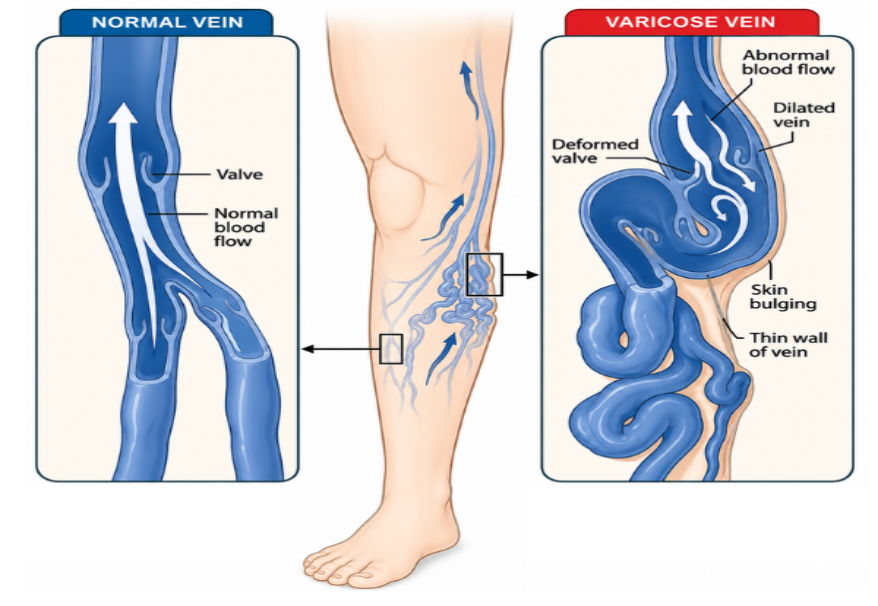
If you have noticed enlarged, bulgy bluish-purple veins snaking on your legs, you are looking at varicose veins. They develop when the one-way valves inside the veins weaken. Normally, these valves help keep blood flowing upwards towards the heart. When they fail, blood falls backwards and pools in the leg. This is known as venous reflux.
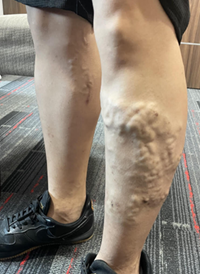
Over time, the affected veins stretch and become more visible. Some people mainly notice their appearance, while others develop painful veins, leg heaviness, tightness, swelling or cramps- these symptoms are usually more noticeable after prolonged standing or at the end of the day. In severe cases, some patients experience skin changes or ulceration around the foot and ankles.
The visible varicose veins are often only the surface sign. The underlying reflux may be coming from underlying larger truncal veins (such as the long saphenous vein, small saphenous vein or accessory veins).
Causes & Risk Factors
Long standing or sitting at work, lengthy MRT commutes, and even pregnancy can all exacerbate your varicose veins- but genetics has the first say. Put simply, you inherit valves in your veins that are either firm or slightly floppy; the floppier they are, the more easily the valves leak once life’s daily stresses pile on.
The biggest culprits that may increase the chances of your varicose veins worsening are:
- Genetics- if a parent or sibling has bulgy veins, your own risk nearly doubles.
- Standing/sitting for long periods- nurses, teachers, security guards and office workers spend hours or whole shifts fighting gravity or sitting motionless, slowing calf-pump flow.
- Pregnancy- rising hormonal levels (such as progesterone) relaxes vessel walls, and nine months of extra blood volume stretches them further.
- Ageing- with time, the collagen scaffold inside the vein thins and valves lose their spring.
- Obesity- added abdominal pressure reduces the return of blood back, and increases pooling in the legs.
When can Varicose Veins be left alone?
Monitoring without active treatment may be reasonable when the veins are small, stable and not causing significant symptoms. There should also be no persistent swelling, skin changes, bleeding or previous episodes of thrombophlebitis.
In these situations, regular walking, leg elevation, weight management and wearing compression stockings may help keep symptoms controlled.
Pregnancy is another common situation where definitive treatment is often delayed. Pregnancy-related varicose veins may improve after delivery (once hormone levels revert to pre-pregnancy levels), so it is usually sensible to allow time for natural recovery unless complications develop.
Some patients may also choose not to undergo treatment after understanding the benefits and risks. That is reasonable, provided they know what signs and symptoms should prompt them to go for reassessment.
When is Treatment Worth Considering?
Treatment becomes more relevant when the veins are causing symptoms, affecting daily life or showing evidence of progression.
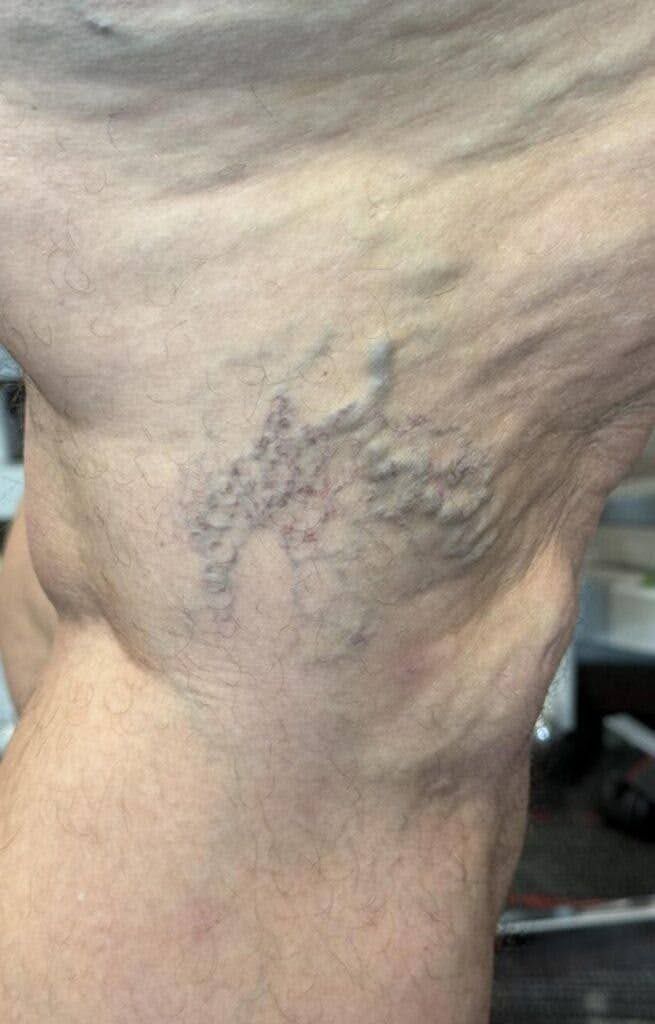
Persistent symptoms
Common symptoms include:
- Aching, heaviness or throbbing
- Ankle or lower-leg swelling
- Night cramps or restless legs
- Itching or burning along a vein
- Sensation of tightness or pressure
These symptoms often worsen after prolonged standing or sitting and improve with walking or leg elevation. If they are interfering with work, sleep, exercise or daily comfort- it is worth assessing whether underlying reflux should be treated.
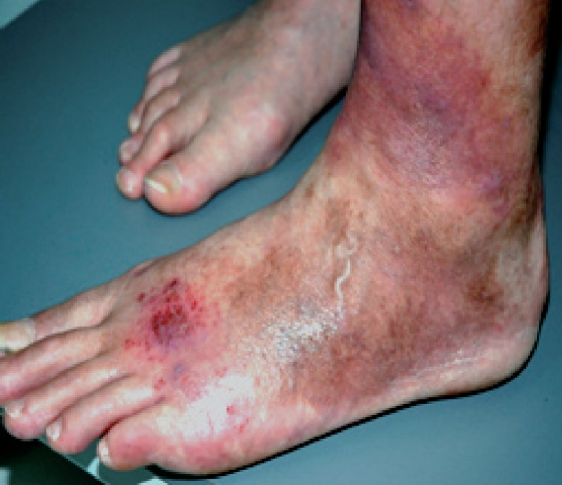
Skin changes
Changes around the ankle or lower leg are an important warning sign. These may include brown pigmentation, venous eczema, persistent itching, dry skin, hardening of the tissues (“lipodermatosclerosis”).
Once the skin is affected, the condition has progressed beyond uncomplicated visible veins. Treatment may help reduce venous pressure and prevent further deterioration.
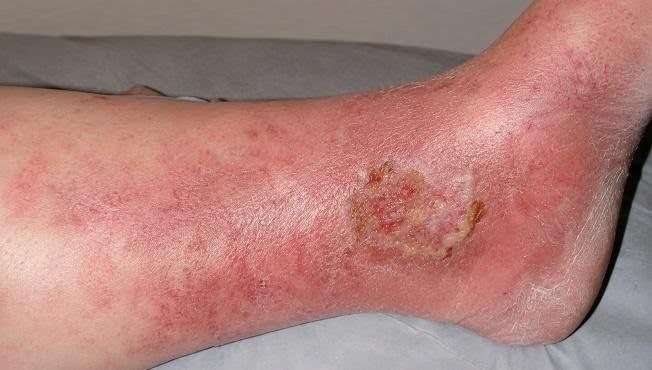
Venous ulcers
A venous ulcer is a slow-healing wound, usually near the ankle, caused by long-standing venous pressure.
Active or previously healed venous ulcers are a clear reason to assess the underlying reflux. Treating the reflux does not replace wound care, but it may improve the skin conditions and reduce the risk of the ulcer recurring (by approximately 50%).
Superficial thrombophlebitis
Superficial thrombophlebitis is inflammation and clotting within a surface vein. It often feels like a painful, red, warm and hardened cord along a varicose vein.
A single mild episode may settle with treatment, but recurrent episodes suggest that the underlying varicose veins should be assessed.
Bleeding
A varicose vein close to the skin can bleed after relatively minor trauma, particularly around the ankle where the skin may already be thin or damaged.
If this happens, lie down, elevate the leg and apply firm direct pressure. Even if the bleeding stops, formal assessment by a vascular surgeon is important because this bleeding may recur.
Will Untreated Varicose Veins always get worse?
Not always.
Some mild varicose veins remain stable for years. Others gradually become more prominent and symptomatic, with increasing heaviness, swelling or skin changes. A smaller group may progress more quickly following pregnancy, weight gain, chronic long standing (e.g. from work) or an episode of thrombophlebitis.
Factors that may increase the likelihood of progression include:
- Significant reflux on duplex ultrasound
- Symptoms that are worsening over time
- Existing skin changes or swelling
- Obesity
- Prolonged standing or sitting
- Older age
- Previous venous ulceration
- Strong family history of advanced venous disease
This does not mean that every untreated varicose vein will cause a complication. The purpose of assessment is to distinguish mild disease that can be observed from reflux that is already causing damage.
Looking Beyond the Surface: How Venous Reflux is Diagnosed
A comprehensive varicose vein assessment involves more than looking at the visible veins.
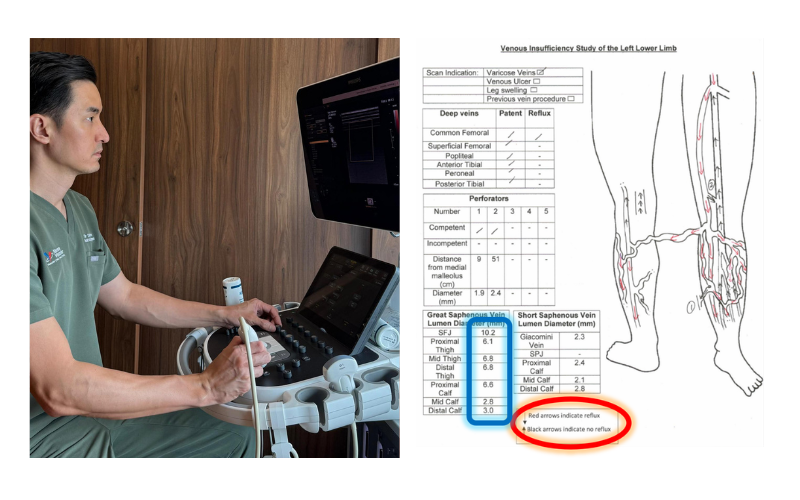
A venous duplex ultrasound scan checks whether the valves are functioning properly and maps where reflux (“leaky valves”) is coming from. During this painless 20-30 minute scan, a trained sonographer traces every superficial truncal vein from ankle to groin, measures each segment’s diameter, and watches in real time for backward flow (“reflux”). The deeper veins receive the same scrutiny, in addition to ruling out blood clots (i.e. deep venous thrombosis) that could complicate any procedure.
This scan achieves three crucial things at once:
- Provide the documentation insurers need for MediSave claims and Integrated Shield pre-authorisation.
- Pinpoint the leaking truncal veins (long or short saphenous vein) so treatment targets the underlying source, not just the surface veins.
- Confirm the deep system is clear, ensuring it can take over once the faulty veins are closed.
Modern Treatment Options for Venous Reflux and Varicose Veins
The encouraging news about vein treatment today? These keyhole procedures involve minimal downtime, with most patients returning to regular daily activities the same day after surgery. Treatment involves minimally invasive techniques that tackle the underlying reflux, often combining techniques so you leave with lighter legs and better skin.
Most treatment plans consist of a combination of techniques- eg trunk-closing technique (eg RFA) with finishing touches (eg sclerotherapy or mini-phlebectomy) so both the root cause and the visible varicose/spider veins are tackled in a single sitting.
What is the Cost of Varicose Vein Treatment in Singapore?
Medical bills can be confusing, so here’s a simple guide to help you understand the likely costs. The table below shows the surgical codes commonly used for varicose vein procedures and the typical surgeon’s fee range, based on the latest Ministry of Health (MOH) fee benchmarks and the Table of Surgical Procedures (TOSP).
The final bill may vary depending on the complexity of the procedure, the single-use surgical equipment required, the anaesthetist’s fee and the hospital or day surgery facility used. Before anything is booked, your doctor should provide you with an itemised estimate and explain the charges clearly, so you know what to expect.
* MOH surgeon-fee benchmarks effective 1 January 2025. Prices are in SGD, and are not inclusive of hospital facility, surgical consumable, anaesthetist fees and 9 per cent GST.
Is cosmetic treatment a valid reason?
Yes. Cosmetic concern is a valid personal reason to seek treatment, particularly in Singapore where the legs are often visible in shorts, skirts and activewear.
However, it is important to distinguish cosmetic-only treatment from treatment for a medical condition.
If there are no symptoms, skin changes or significant reflux, treatment may be considered purely cosmetic. It is generally not MediSave-claimable and is usually not covered by insurance.
Some patients who initially seek treatment for appearance discover that they also have aching, swelling or ultrasound-confirmed reflux. In those cases, there may be both medical and cosmetic reasons for treatment.
A consultation with a vascular surgeon and duplex ultrasound can clarify which part of the treatment is medically indicated.
How does a Vascular Surgeon decide whether to treat?
The decision usually comes down to a few practical questions:
- Are the veins causing symptoms?
- Are the symptoms affecting daily life?
- Are there skin changes or complications?
- Does duplex ultrasound show significant reflux?
- Are conservative measures controlling the problem?
- Is the concern medical, cosmetic or both?
- What are the patient’s preferences and cost considerations?
There is rarely a need to decide immediately. Most patients can review the ultrasound findings, consider the options and decide after understanding what treatment can realistically achieve.
Patients who are unsure whether treatment is necessary can arrange a varicose vein consultation with a vascular surgeon for clinical assessment and duplex ultrasound where appropriate.
The bottom line
Varicose veins do not always need treatment.
Mild, stable veins without symptoms or skin changes can often be monitored. Walking, leg elevation, weight management and compression stockings may help control discomfort.
It is worth arranging for an assessment with a vascular surgeon when varicose veins cause persistent pain, heaviness, swelling, night cramps, skin damage, thrombophlebitis, bleeding or venous ulcers. These signs suggest that the problem is no longer simply cosmetic.
A clinical assessment and duplex ultrasound provide the clearest way to determine whether the veins can be safely observed or whether treating the underlying reflux is worthwhile.
Frequently asked questions
Do varicose veins go away on their own?
Established varicose veins usually do not disappear on their own. Symptoms may improve with conservative measures, but the underlying structural valve damage remains.
Can varicose veins be left untreated?
Yes, if they are mild, stable, and not causing symptoms, swelling, skin changes, or complications. They should be reassessed if symptoms worsen.
Will untreated varicose veins always lead to ulcers?
No. Many patients never develop ulcers. However, the risk increases when significant reflux, chronic swelling, pigmentation, eczema, or skin hardening is present.
Can compression stockings replace treatment?
Compression stockings can reduce symptoms and swelling, but they do not repair faulty valves or remove varicose veins. They are useful for symptom control, but not a cure.
When should varicose veins be treated?
Treatment is usually considered when there is persistent pain, heaviness, swelling, night cramps, skin changes, thrombophlebitis, bleeding, ulcers, or significant reflux on ultrasound.
Is cosmetic treatment reasonable?
Yes. Cosmetic concern is a valid personal reason. However, purely cosmetic treatment is usually not MediSave claimable or insurance-covered unless there is a medical indication or relevant venous reflux symptoms.
Do varicose veins increase DVT risk?
Varicose veins may be associated with a modestly increased risk of DVT, especially with other risk factors such as immobility, surgery, hospitalisation, or previous clots. Individual risk should be assessed separately.
How often should varicose veins be reviewed if not treated?
For stable mild varicose veins, periodic review is reasonable. Earlier reassessment is needed if symptoms worsen, skin changes appear, or complications occur.